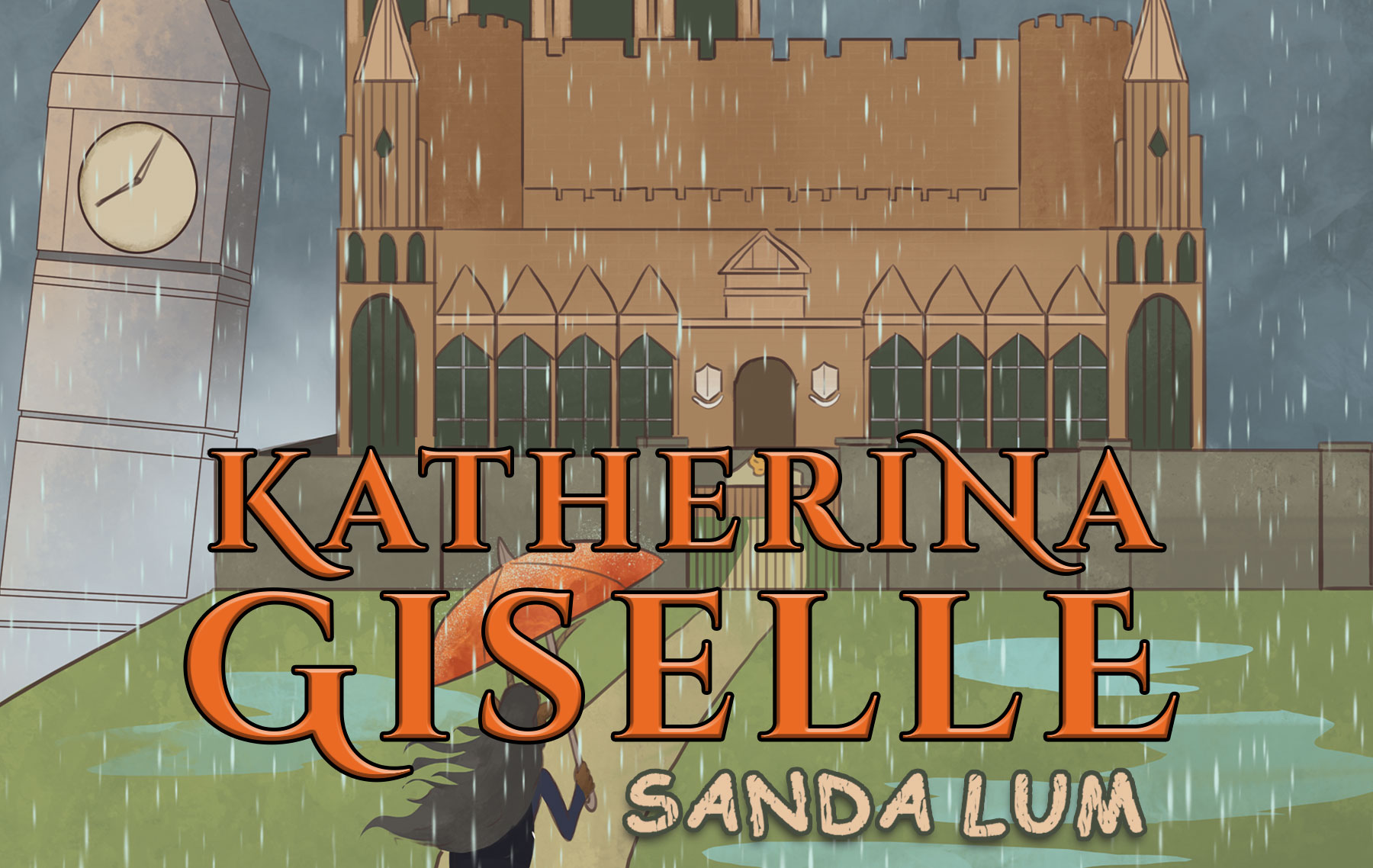
Teaching and Learning Sequence on Literary Devices from "Serin" by Sanda Lum
Introduction Introduce the text "Serin" by Sanda Lum to the students. Explain that they will be exploring various literary devices used in the story to enhance their understanding and appreciation of the text. Learning Objectives • Identify and analyse literary devices in the story "Serin." • Understand the effect of these devices on the reader's interpretation and enjoyment of the story. • Apply knowledge of literary devices to create original examples. Lesson Sequence 1. Pre-Reading Activity • Discussion: Begin with a discussion on what literary devices are and why authors use them. Ask students to share any literary devices they already know. • Vocabulary: Introduce key vocabulary from the story that may be unfamiliar to students (e.g., "utopic," "fantaxcited," "serenity"). 2. Reading the Story • First Reading: Read the story aloud to the class. Encourage students to listen for the overall meaning and tone. • Second Reading: Have students read the story silently. Ask them to note down any words or phrases that stand out to them. 3. Identifying Literary Devices • Group Work: Divide students into small groups and assign each group a verse or section of the story. Ask them to identify and analyse the literary devices used in their assigned section. • Examples of Literary Devices in the Story: o Alliteration: "swishing sea," "rolling rumbling" o Rhyme: "see" and "sea," "arrival" and "rival" o Imagery: "green grassy froth," "entangled ropes" o Personification: "a gust of wind aroused the serenity" o Repetition: "She wanted to see all that she could see"
4. Class Discussion • Sharing Findings: Have each group share their findings with the class. Discuss how the identified literary devices contribute to the overall meaning and effect of the story. • Guiding Questions: o How do the literary devices enhance the imagery and mood of the story? o What emotions do the literary devices evoke in the reader? o How do the rhyme and rhythm contribute to the story's flow? 5. Creative Application • Writing Exercise: Ask students to write their own short poem or paragraph using at least three different literary devices. Encourage them to be creative and think about how the devices enhance their writing. • Sharing: Allow students to share their work with the class. Provide constructive feedback and discuss the effectiveness of the literary devices used. 6. Reflection • Individual Reflection: Have students write a brief reflection on what they learned about literary devices and how they can use them in their own writing. • Class Discussion: Conclude with a class discussion on the importance of literary devices in literature and how they enhance the reader's experience. Assessment • Formative Assessment: Monitor students' participation in group work and class discussions. Provide feedback on their identification and analysis of literary devices. • Summative Assessment: Evaluate students' creative writing pieces and reflections for their understanding and application of literary devices. Extension Activities • Literary Device Hunt: Have students find examples of literary devices in other texts or poems they are reading. • Poetry Performance: Organise a poetry reading where students can perform their original poems, focusing on the use of literary devices.
Post Views : 119